



The Benefits of Learning Cloud Computing in Today’s Digital Economy
July 27, 2026
Top AI Skills That Will Be in Demand for Years to Come
August 3, 2026The Benefits of Learning Cloud Computing in Today’s Digital Economy
July 27, 2026Top AI Skills That Will Be in Demand for Years to Come
August 3, 2026⸻ 4.95/5 - Students Review
How to Build a Product Design PortfolioThat Stands Out

Learn how to build a product design portfolio that stands out. Discover practical tips, portfolio best practices, and how hands on training can help you create a professional portfolio that attracts employers.
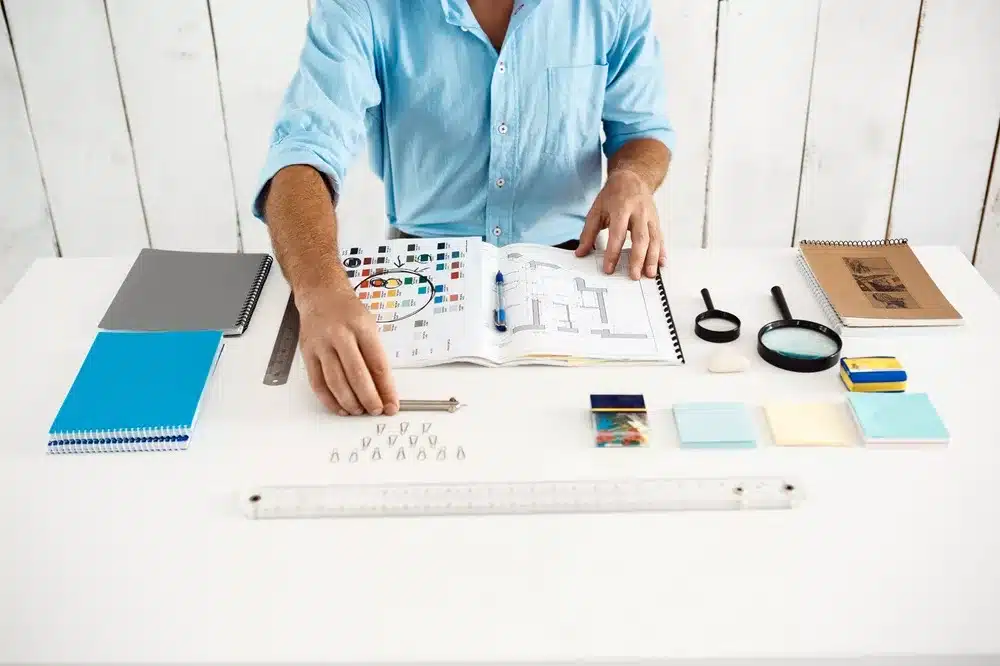
If you want to land your first product design job, freelance clients, or internship opportunities, learning how to build a product design portfolio that stands out is one of the most important steps you can take. Your portfolio is more than a collection of beautiful screens. It tells the story of how you think, solve problems, and create user centered experiences. In today's competitive tech industry, employers are looking for designers who can demonstrate practical skills, creativity, and a clear design process. A strong portfolio can help you stand out and open the door to exciting career opportunities.
Why Your Product Design Portfolio Matters
Your portfolio is often the first impression you make on a recruiter or hiring manager. Before scheduling an interview, employers want to see evidence of your skills and how you approach design challenges.
A well crafted portfolio shows:
- Your design thinking process
- Your ability to solve real problems
- Your creativity
- Your technical skills
- Your communication abilities
In many cases, a strong portfolio carries more weight than a certificate because it demonstrates what you can actually do.
Focus on Quality Instead of Quantity
Many beginners believe they need dozens of projects to impress employers. In reality, a few well documented projects are far more effective than many incomplete ones.
Choose projects that showcase:
- Different design challenges
- Creative problem solving
- User centered thinking
- Attention to detail
Three to five high quality case studies are often enough to make a strong impression.
Showcase Real World Projects
One of the best ways to build a product design portfolio that stands out is by including practical projects.
Your portfolio can feature:
- Mobile app designs
- Website redesigns
- Dashboard interfaces
- E commerce platforms
- Healthcare applications
- Educational platforms
- Banking solutions
Real world projects demonstrate your ability to solve practical problems rather than simply creating attractive visuals.
At Torilo Academy, students work on practical projects that help them develop portfolios aligned with industry expectations.
Tell the Story Behind Every Project
Employers want to understand how you think as a designer.
Instead of only showing final screens, explain:
- The problem you wanted to solve
- Your research process
- User pain points
- Your design decisions
- Challenges you encountered
- How you tested your solution
- The final outcome
A detailed case study helps recruiters understand your problem solving skills and design approach.
Demonstrate Your Design Process
Your portfolio should clearly show every stage of your work.
Include elements such as:
- User research
- User personas
- Wireframes
- User flows
- Information architecture
- Low fidelity prototypes
- High fidelity designs
- Usability testing
- Design iterations
Showing your complete workflow demonstrates that you understand professional product design practices.
Highlight Your Problem Solving Skills
Great product designers do more than create beautiful interfaces. They solve real business and user problems.
Ask yourself:
- What problem did this design solve?
- How did the user benefit?
- What improvements did your solution provide?
Employers value designers who can think critically and create solutions that improve user experiences.
Keep Your Portfolio Simple and Easy to Navigate
Your portfolio itself is a design project.
Avoid unnecessary animations, cluttered layouts, or complicated navigation.
Instead:
- Use clean layouts
- Organize projects clearly
- Make navigation simple
- Ensure mobile responsiveness
- Use readable typography
A simple portfolio allows your work to speak for itself.
Show Continuous Growth
Recruiters appreciate designers who continue learning.
Update your portfolio regularly with:
- New projects
- Redesigned case studies
- Personal challenges
- Passion projects
- Freelance work
- Collaborative projects
Continuous improvement demonstrates commitment to your career and passion for design.
Include Your Skills and Design Tools
Help employers understand your technical abilities by listing the tools and skills you use confidently.
Examples include:
- Figma
- Adobe XD
- Sketch
- Photoshop
- Illustrator
- Design Systems
- Prototyping
- User Research
- Interaction Design
- Design Thinking
Keep your skills honest and relevant to the projects you present.
Add a Professional About Section
Your portfolio should introduce you professionally.
Include:
- A brief personal introduction
- Your design interests
- Your career goals
- Contact information
- Links to LinkedIn or other professional profiles
This helps recruiters connect with you beyond your projects.
Build Your Portfolio Through Practical Learning
Many beginners struggle because they lack real projects to showcase.
This is why practical training is essential.
At Torilo Academy, product design students work on hands on projects that simulate real business challenges. These practical experiences help students build professional portfolios while developing the confidence needed to apply for internships, freelance opportunities, and full time design roles.
By working on meaningful projects during training, students graduate with portfolios that demonstrate both technical ability and creative problem solving.
Common Portfolio Mistakes to Avoid
Avoid these common mistakes that can reduce the impact of your portfolio:
- Including too many unfinished projects
- Showing only final designs without explaining your process
- Using poor quality images
- Copying designs without adding original thinking
- Ignoring user research
- Making navigation confusing
- Failing to update older projects
A polished portfolio reflects professionalism and attention to detail.
Why This Matters
Your portfolio is one of the most powerful tools you have as an aspiring product designer. It demonstrates your skills, your creativity, and your ability to solve real problems.
Whether you are applying for your first job, looking for freelance clients, or transitioning into product design, a well structured portfolio can significantly improve your opportunities.
With practical training, real world projects, and continuous improvement, you can build a product design portfolio that stands out in today's competitive job market. Learning in a hands on environment like Torilo Academy gives you the experience and confidence to create a portfolio that reflects industry standards and helps you take the next step in your design career.
Why Choose Torilo Academy For Your Tech Career
Torilo Academy is more than just a training school. It is a place where beginners become professionals. With practical learning, mentorship, and career support, students are equipped with skills that employers value.
Whether you want to learn software development, data analysis, cybersecurity, or product design, Torilo Academy provides a clear path to success in the tech industry.


─ MAKING IMPACT
What we provide for you at
Torilo Academy
- Flexible Learning: Choose between weekday or weekend classes, and attend either online or in-person at their Lagos hub.
- Practical Curriculum: Learn through hands-on projects and case studies that reflect real-world challenges.
- Experienced Instructors: Industry professionals guide you every step of the way.
- Recent Graduates wanting practical, job-ready skills.
- Aspiring Digital Marketers seeking a comprehensive skill set
- Marketing Professionals looking to upskill or specialize in digital.
- Business Owners & Entrepreneurs wanting to grow their online presence.
- Freelancers aiming to offer more valuable digital marketing services.
- Career Changers looking to enter a dynamic and in-demand field.
Torilo Academy Course Offerings
- Digital Marketing
- Product Design
- Visual & Graphic Design
- AI Engineering
- Generative AI
- Data Analysis
- Frontend Web Development
- Fullstack Software Development
- Backend Development
- Cloud Computing
- Product Management
- Project Management
- Cybersecurity
And many others
Ready to see if we are the right fit for you? Checkout our course catalogue and see the projects you could be building.